
Anti-Termite Reticulation (Piping) System

Anti-Termite Reticulation System in Bhubaneswar
The anti-termite reticulation system — also known as an anti-termite piping system or in-ground piping system — is the most advanced and permanent form of termite protection available for buildings. Unlike conventional post-construction treatment that requires drilling holes into walls and floors, the reticulation system is a network of perforated pipes installed within or beneath the building’s foundation, allowing termiticide to be injected, replenished, and distributed from an external access point — without any disruption to the building’s structure.
Magic Broom installs, commissions, and maintains anti-termite reticulation systems for residential and commercial buildings across Bhubaneswar and Odisha. The system is increasingly specified by architects, builders, and property developers as the preferred termite management solution for new construction projects.
How the Anti-Termite Reticulation System Works
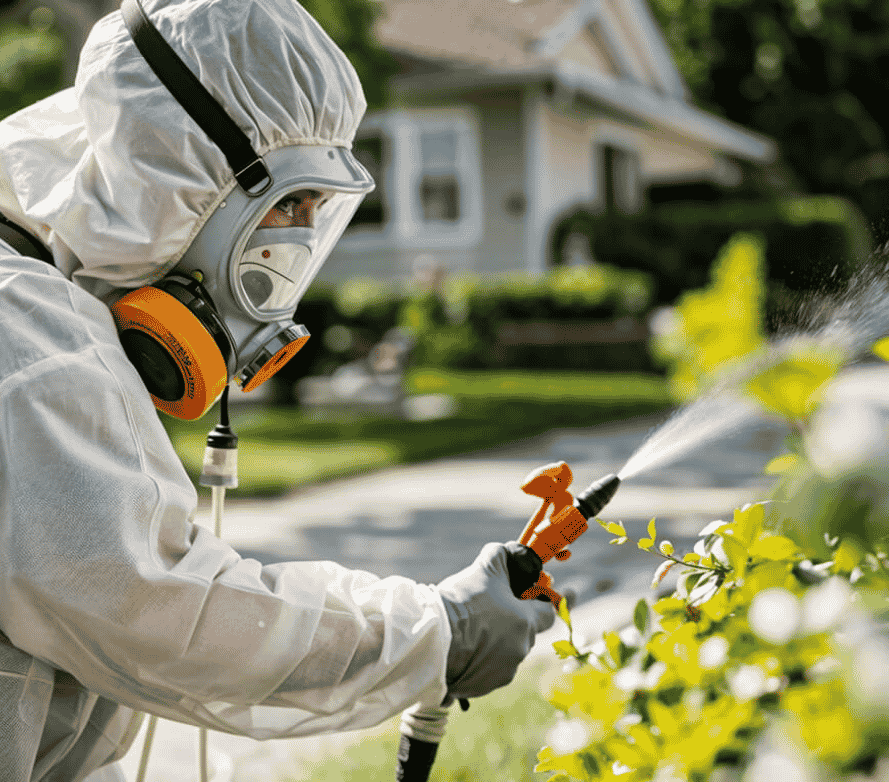
The Piping Network
A network of specially designed, perforated polyethylene pipes is laid within the building's foundation — along the inner perimeter of all external and internal load-bearing walls, beneath the floor slab, and around all plumbing and utility entry points. The pipes are positioned to create a continuous chemical barrier zone in the soil surrounding and beneath the structure.

The Access Ports
At ground level or just above, injection ports (access points) are installed at regular intervals — typically at building corners and every 3–5 metres along external walls. These ports provide the entry point for termiticide injection without requiring any drilling, core cutting, or structural disruption to the completed building.

Termiticide Injection & Replenishment
At commissioning and at each maintenance interval, WHO-approved liquid termiticide is injected through the access ports under controlled pressure. The termiticide flows through the piping network and seeps into the surrounding soil through the perforations — creating a continuous, invisible chemical barrier that repels and kills subterranean termites on contact.
Design & Planning
Magic Broom's team reviews architectural drawings and coordinates with the building contractor to design the pipe network layout. Pipe routes are planned at column bases, wall perimeters, and all utility entry points.
Foundation Stage Installation
Perforated pipes are laid in prepared trenches within the formwork before the foundation slab is poured. Pipes are secured and covered to prevent displacement during concreting.
Plinth Level Completion
Pipe network extended to plinth wall level. Access port locations confirmed with the architect and marked for future access after construction completion.
Access Port Fitting
Stainless steel or ABS access ports fitted flush with the external finished wall or floor level. Ports are lockable, tamper-resistant, and aesthetically unobtrusive.
Pre-Occupation Commissioning
Before occupation, Magic Broom injects the initial charge of termiticide through all access ports under monitored pressure — creating the first chemical barrier.
Handover & Certification
System diagram, commissioning certificate, and maintenance schedule provided to the building owner or developer. First maintenance visit scheduled per system specifications.
Why the Reticulation System Is Superior to Conventional Termite Treatment :-
Reticulation System | Conventional Drilling Method |
✔ No drilling required for replenishment | ✗ Drilling required at every re-treatment |
✔ Replenishment in under 2 hours | ✗ Full re-treatment takes 4–8 hours |
✔ No disruption to building occupants | ✗ Temporary disruption at drilled points |
✔ Uniform chemical distribution via piping | ✗ Chemical coverage depends on drill accuracy |
✔ Covers all foundation and utility entry points | ✗ May miss complex structural configurations |
✔ Ideal for commercial, hospitality & heritage buildings | ✗ Drilling may damage finishes and tiles |
✔ Lower lifetime cost over 10–20 year period | ✗ Higher recurring cost per re-treatment event |
✔ Preferred by architects and RERA-compliant developers | ✗ Standard method for existing buildings |
Best Suited For
Ongoing Maintenance & Replenishment
- New residential buildings — villas, bungalows, and apartment complexes under construction in Bhubaneswar and Odisha
- Hotels, resorts, and hospitality properties where drilling and disruption are unacceptable
- Hospitals and healthcare facilities requiring uninterrupted operation
- Heritage buildings and properties with high-quality tile, marble, or wood finishes
- Commercial complexes, malls, and IT parks with large floor plates
- Builders and developers incorporating termite warranties as a selling feature for buyers in Odisha
- Properties with complex plumbing and utility configurations that make conventional drilling impractical
- Initial commissioning treatment at construction completion
- Recommended replenishment every 3–5 years (depending on termiticide used and soil type)
- Annual inspection of access ports and system integrity
- AMC plans for reticulation system maintenance — including inspection, replenishment scheduling, and emergency treatment if termite activity is detected
FAQs
Answers to common questions about our pest control and cleaning services.
SERVICES
0
X7
A: The reticulation system is most effectively installed during construction. However, a modified version can be installed in existing buildings by creating accessible routes along skirting boards or external wall perimeters — a less invasive alternative to conventional drilling. Our team will assess your existing building and recommend the best approach.
A: The piping infrastructure is designed to last for the life of the building. The termiticide requires replenishment every 3–5 years. With proper maintenance through Magic Broom's AMC, the system provides permanent, ongoing termite protection.
A: RERA-registered projects increasingly require termite treatment certificates. While the specific method is not mandated, the reticulation system — with its IS:6313-compliant installation and comprehensive documentation — is widely accepted and often specified by developers targeting premium buyers in Bhubaneswar.
A: Installation cost depends on building size, floor plan complexity, and termiticide specification. Magic Broom provides site-specific quotations based on the architectural drawings. Contact us at +91-99370 63900 for a free consultation and estimate.
A: The system is designed for professional maintenance. Magic Broom provides full training on port identification and access, but termiticide injection requires licensed pest control technicians and specialist equipment to ensure correct pressure and chemical concentration. An AMC with Magic Broom is the recommended maintenance approach.
A: Yes. Magic Broom provides an installation certificate, a commissioning report, and a treatment certificate after every replenishment — all required for bank loans, property transactions, and RERA documentation in Odisha.
A: Yes. Magic Broom works directly with builders, architects, and project managers during the construction phase. We provide technical specifications for inclusion in project drawings, attend site coordination meetings, and provide a builder warranty on the installed system.